

In Australian homes, where lifestyle often revolves around sunlight and outdoor living, homeowners often face a dilemma: how to enjoy the natural light and views year-round without exposure to harsh weather, insects, or temperature extremes. Many discover their patios or decks go unused during colder months or under scorching sun. The answer? A sunroom—a stylish, functional extension that brings the outdoors in while offering full indoor comfort.
A sunroom is a glass-enclosed space attached to a home, designed to provide abundant natural light and outdoor views while offering protection from the elements. It can serve as a living room, dining area, office, or leisure zone—all year round.
Whether you’re looking to increase your home’s usable space, boost property value, or simply enjoy the Australian climate more comfortably, a sunroom is a versatile solution worth exploring.
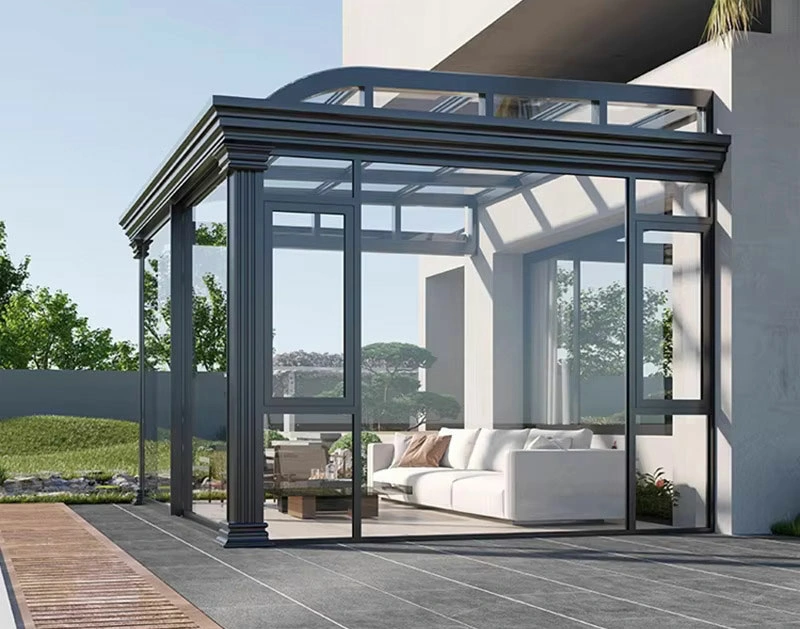
Sunrooms, also known as garden rooms or conservatories in some regions, serve many lifestyle-enhancing purposes. In Australian homes, they are especially valued for:
The design of a sunroom allows it to be used comfortably in both summer and winter, thanks to insulation, glazing, and optional shading solutions.

Adding a sunroom to your home provides both lifestyle and financial advantages. These include:
A sunroom maximizes daylight while filtering UV rays. Whether it’s sunny or cloudy, the space stays bright and pleasant—ideal for Vitamin D exposure and mood enhancement.
Sunrooms can significantly boost a home’s resale appeal. Buyers see them as luxury additions that expand usable living space and connect the home with the outdoors.
Modern sunrooms use high-performance glazing, thermally broken aluminum frames, and passive solar design to reduce energy costs. Many homeowners find their heating bills drop due to solar warmth captured in winter months.
You can design a sunroom to suit any function—dining room, home gym, hobby space, or spa lounge—making it a highly adaptable investment.
Sunrooms offer panoramic views of your garden, allowing you to enjoy greenery, weather changes, and even starry skies—without bugs, wind, or extreme temperatures.

Feature | Sunroom | Pergola | Alfresco/Enclosed Patio |
Structure | Fully enclosed with glass + insulated roof | Open or semi-open slatted roof | Enclosed space (roof + walls) |
Weatherproof | Yes – sealed from rain, wind, insects | No – offers sunshade only | Partially enclosed – may lack full insulation |
Year-Round Use | All seasons (with proper insulation) | Mainly spring/summer | Depends on design – may not be insulated |
Climate Control | Air-con and heating compatible | No – fully exposed | Partially compatible |
In short, sunrooms are the most complete solution if you want a fully livable space with light and comfort all year.
Depending on your home structure, usage needs, and budget, sunrooms come in several configurations:
Inspired by European glasshouses, this type features a fully glazed roof and walls—ideal for gardens or luxury homes.
Combines floor-to-ceiling glass walls with a solid insulated roof for better energy efficiency. This is the most common design in Australian suburbs.
Modern and minimalist, this style uses a slightly sloped flat roof and aluminum framing—ideal for contemporary homes.
Featuring a pitched, triangular roof, this type offers a more spacious and architectural look with enhanced ceiling height.
This involves enclosing an existing patio or pergola with sliding glass doors and windows—cost-effective and fast to install.

Australia’s climate—ranging from intense sun to coastal humidity—demands durable, low-maintenance materials.
At Ezysunroom, we specialize in locally sourced materials designed to withstand the Australian elements while maintaining clean, modern lines.
bsolutely. Sunrooms can be fully customized to suit:
Ezysunroom offers tailored consultation, 3D rendering, and full project management—from measurement to design, council approval, and final installation.
In most Australian regions, especially coastal or suburban areas like Sydney, Melbourne, and Brisbane, a well-designed sunroom can yield:
Plus, since they’re often easier and quicker to build than full extensions, sunrooms offer value without the heavy cost or wait time of traditional renovations.
Costs vary based on size, materials, design complexity, and site conditions, but here’s a general guide:
Type | Estimated Cost Range (AUD) |
Small patio enclosure | $12,000 – $18,000 |
Mid-size sunroom (10–20 sqm) | $18,000 – $30,000 |
Custom large sunroom (>25 sqm) | $30,000 – $60,000+ |
Premium conservatory-style | $50,000 – $90,000 |
Tip: Government energy-efficiency rebates or green building grants may apply if your sunroom is designed to reduce energy usage.

A typical sunroom project at Ezysunroom follows this timeline:
As a trusted Australian manufacturer and supplier, Ezysunroom provides:
Local measurement + fast response
Factory-direct pricing + local inventory
Custom design & installation for B2C and B2B
Durable aluminum + weatherproof materials
Seamless integration with modern home designs
We serve homeowners, builders, and architects alike—offering both retail and wholesale support.
Sunrooms are a smart, stylish way to expand your living space, boost your property value, and enjoy Australia’s climate in comfort—whether you’re in Sydney, Melbourne, Perth, or the Gold Coast. From relaxing retreats to productive home offices, their versatility is unmatched.
If you’re ready to bring more light and life into your home or project, consider a custom-designed sunroom from Ezysunroom—crafted for Australian living, backed by local service and factory-direct value.




Explore Australia’s premium sunroom and pergola solutions. Elevate your outdoor living with elegance and durability. Your dream yard awaits.
License Number: 484747C