

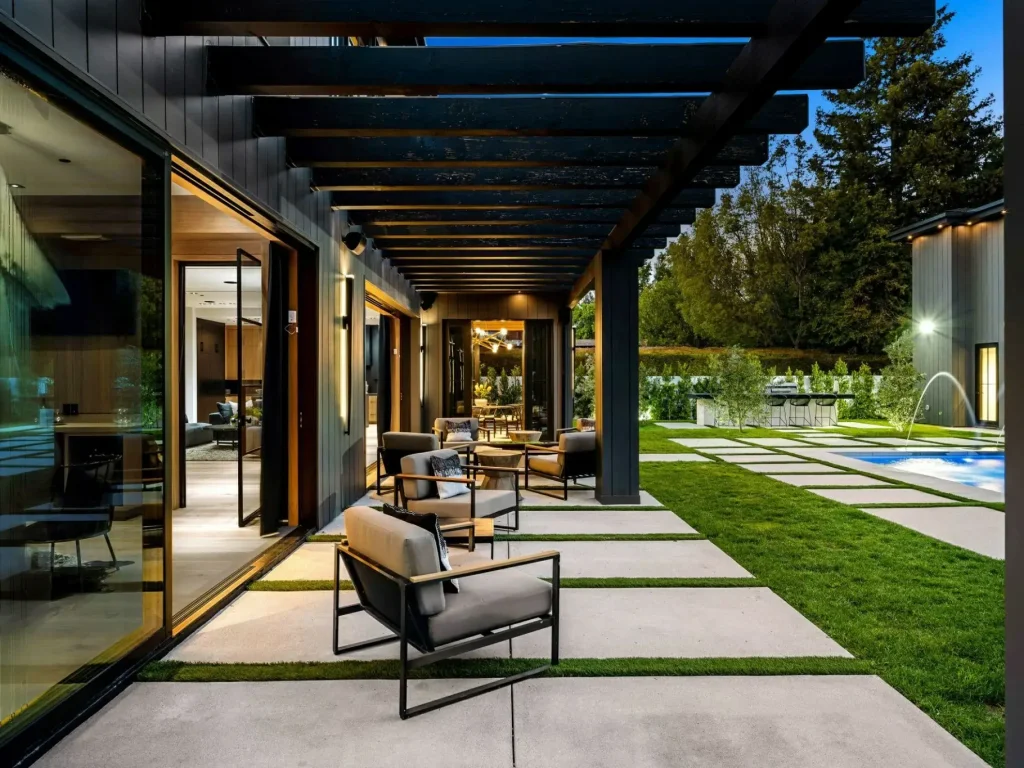
Many homeowners, builders, landscapers, and outdoor project buyers want to create a garden seating area, but they often struggle with where to place it, how to make it comfortable, and how to protect it from sun, wind, and rain. If the seating area is poorly planned, it may look attractive but remain unused for most of the year. A better approach is to design the space around real outdoor living needs, including shade, access, privacy, weather protection, and long-term usability.
A garden seating area is a planned outdoor space designed for relaxing, dining, entertaining, or enjoying the garden comfortably. The best garden seating area combines the right location, suitable seating, stable flooring, shade, weather protection, privacy, lighting, and easy access. For better year-round use, structures such as sunrooms, motorized louvered pergolas, enclosed outdoor dining areas, retractable pergolas, folding awnings, and aluminum awnings can make the space more practical and comfortable.
A beautiful garden is only valuable when people can actually use it. The following sections explain how to plan a garden seating area that feels comfortable, practical, and suitable for different outdoor spaces.
What Is A Garden Seating Area?
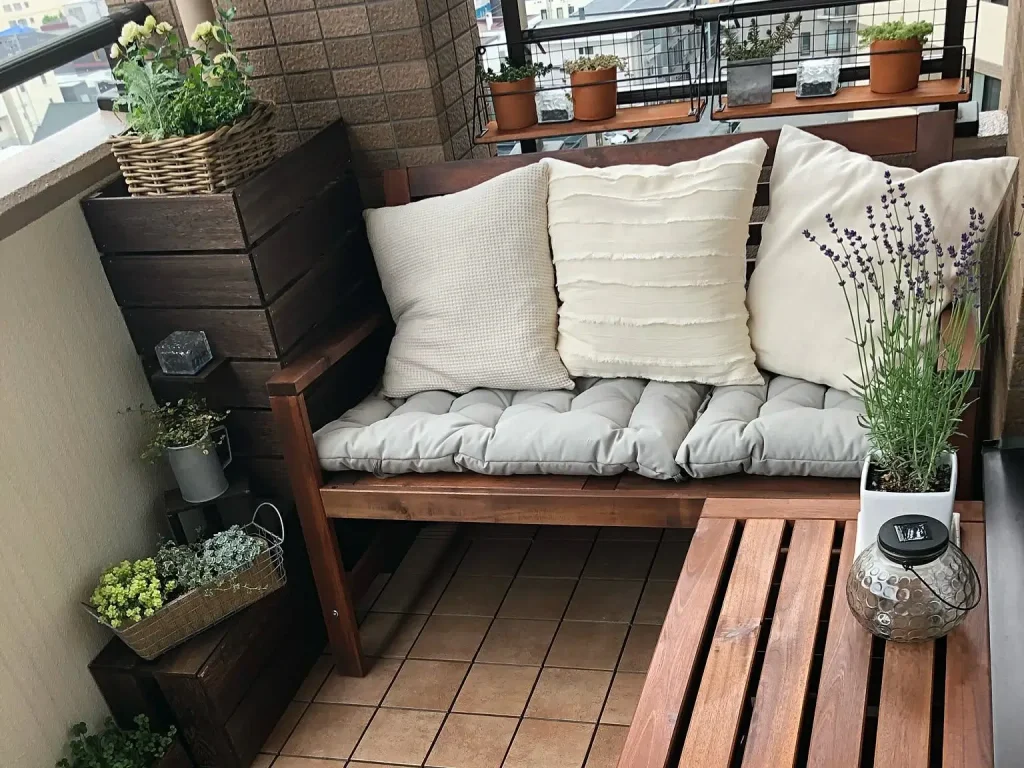
A garden seating area is a dedicated outdoor space where people can sit, relax, talk, dine, read, or entertain guests. It can be simple or highly developed, depending on the property type and how the space will be used.
In a small home garden, a garden seating area may only include a bench, two chairs, a small table, and some shade. In a larger residential project, it may include an outdoor sofa, dining table, pergola, lighting, privacy screens, and a paved surface. In a commercial setting, such as a café, restaurant, hotel, resort, or outdoor dining venue, the seating area may need more durable structures, stronger weather protection, and a more carefully planned customer flow.
The key point is that a garden seating area is not just furniture placed outdoors. It is a functional outdoor zone. Its success depends on whether people feel comfortable using it in real conditions. If the area is too hot, too exposed, too windy, too far from the house, or too difficult to maintain, it will not perform well even if it looks attractive in photos.
For B2B outdoor living projects, this distinction is important. Builders, distributors, contractors, and project buyers are not only selling a visual feature. They are delivering a usable space. That is why products such as sunrooms, portable sunrooms, motorized louvered pergolas, enclosed outdoor dining areas, aluminum doors and windows, carports, awnings, retractable pergolas, folding awnings, railings, and aluminum awnings can play an important role in garden seating design.
Why Is Planning A Garden Seating Area Important?
Planning a garden seating area is important because outdoor comfort depends on more than open space. Many gardens have enough physical room for seating, but that does not mean the area is comfortable or practical.
A common problem is placing seating where it looks good on a plan rather than where it works in daily life. For example, a seating area may be positioned in a sunny corner without considering afternoon heat. Another may be placed too far from the kitchen, making outdoor dining inconvenient. Some garden seating areas are exposed to wind, overlooked by neighbors, or built on uneven ground. These details may seem minor at first, but they directly affect whether people use the space regularly.
In Australia and other sunny outdoor markets, shade and weather control are especially important. A garden seating area without shade may be uncomfortable during hot periods. A space without rain protection may be unusable during sudden weather changes. A seating area without privacy may feel too exposed, even if the furniture is comfortable.
For commercial buyers, poor planning can also affect business performance. Outdoor dining areas that are too hot, too windy, or poorly sheltered may reduce customer comfort and table usage. In hospitality projects, weather-protected seating can help businesses make better use of outdoor floor space.
This is why a garden seating area should be treated as an outdoor living solution, not just a decoration project. The goal is to make the garden more usable, more comfortable, and more valuable over time.
Where Should A Garden Seating Area Be Placed?
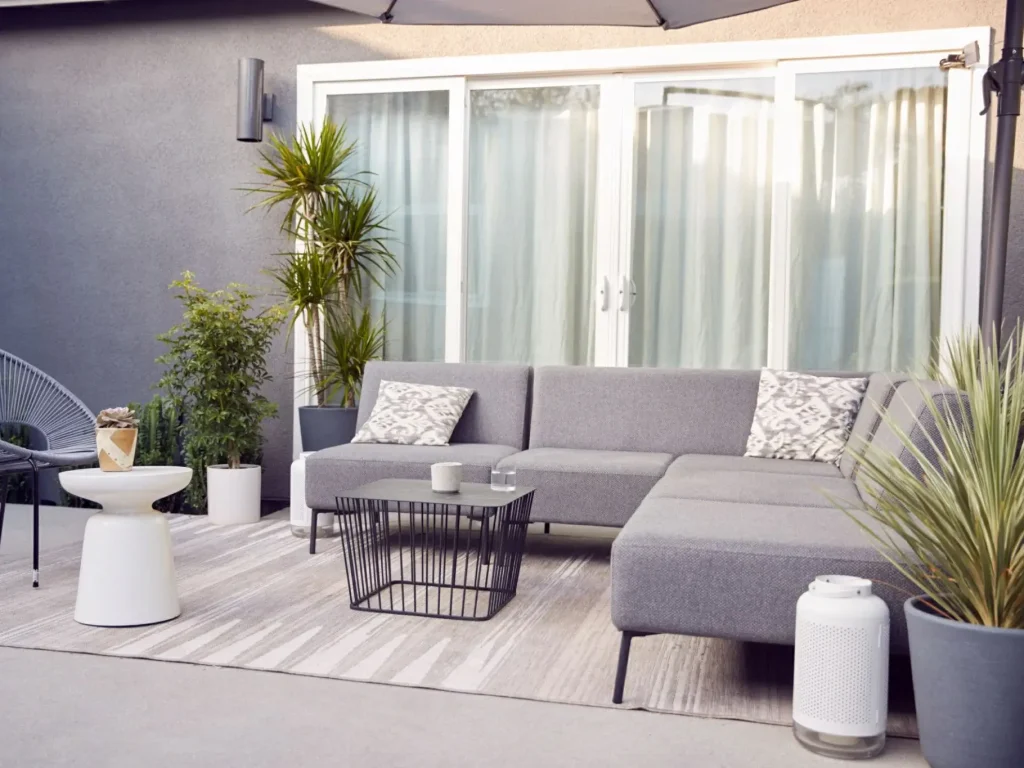
The best place for a garden seating area is where access, comfort, shade, privacy, and views work together. There is no single correct location for every property, but the seating area should support the way people actually use the outdoor space.
For outdoor dining, the seating area should usually be close to the kitchen, dining room, or back entrance. This makes it easier to carry food, drinks, tableware, and other items. A dining-focused garden seating area often works well under a pergola, awning, or enclosed outdoor dining structure because users need both convenience and comfort.
For relaxation, the seating area can be placed in a quieter part of the garden. A corner with plants, a view of the lawn, a water feature, or a shaded tree can create a peaceful atmosphere. This type of seating area does not always need to be large. A small paved area with two chairs and a side table can become a useful retreat when it is well positioned.
Sun direction should always be considered. Morning sun may be pleasant, but strong afternoon sun can make a seating area uncomfortable. West-facing areas often need stronger shade systems, such as motorized louvered pergolas, folding awnings, retractable pergolas, or aluminum awnings. These structures help control sunlight and improve usability.
Wind direction also matters. A seating area exposed to constant wind may feel uncomfortable even when the temperature is mild. In that case, partial enclosures, aluminum doors and windows, side screens, railings, or planting can help create shelter.
A good garden seating area should also feel connected to the rest of the property. It should be easy to reach, easy to see, and easy to use. If people need to cross wet grass, uneven ground, or narrow paths to reach the seating area, they may use it less often.
How Do You Design A Comfortable Garden Seating Area?
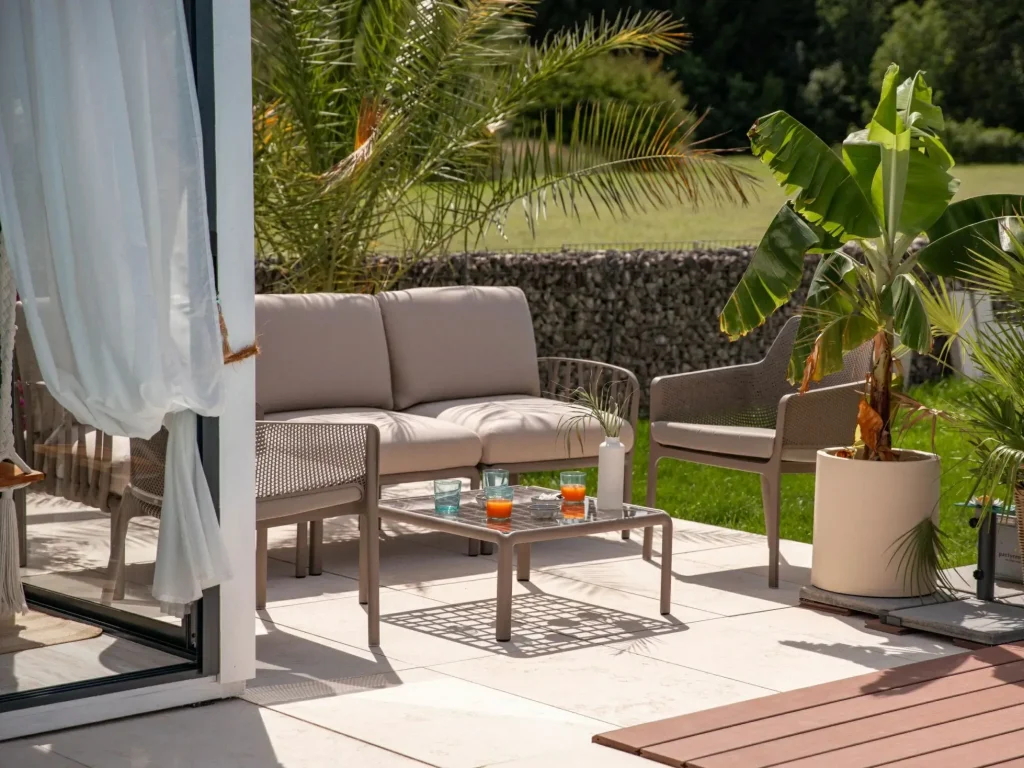
A comfortable garden seating area starts with a clear purpose. Before choosing furniture, flooring, or outdoor structures, it is important to decide whether the space is mainly for dining, relaxing, entertaining, reading, family use, or commercial outdoor seating.
A dining area needs a stable surface, enough room around the table, and convenient access. Chairs should be easy to move, and the table should not block the main walkway. For better usability, many dining areas benefit from overhead shade or partial enclosure. Enclosed outdoor dining areas are especially useful for restaurants, cafés, and hospitality projects because they help protect customers from sun, wind, and light rain.
A lounge area needs a different design. Comfort, softness, shade, and atmosphere are more important than formal table space. Outdoor sofas, lounge chairs, low tables, soft lighting, and weather protection can make the garden feel like an outdoor living room. A motorized louvered pergola is useful in this type of space because it allows users to adjust sunlight and airflow.
For a family garden, the seating area should support different activities. Parents may want a comfortable place to sit while children play nearby. Guests may need extra chairs during gatherings. The design should allow flexibility without making the garden feel crowded.
For small spaces, the layout should be simple. Oversized furniture can make the area feel cramped. Compact benches, corner seating, foldable chairs, slim tables, and built-in seating can help save space. Vertical planting and light structures can create atmosphere without taking up too much floor area.
Comfort also depends on materials. Outdoor furniture should suit the climate and expected use. Flooring should be level and safe. Shade structures should be strong enough for regular use. Aluminum outdoor structures are often practical because they are durable, clean-looking, and suitable for a range of exterior applications.
What Should Be Included In A Garden Seating Area?
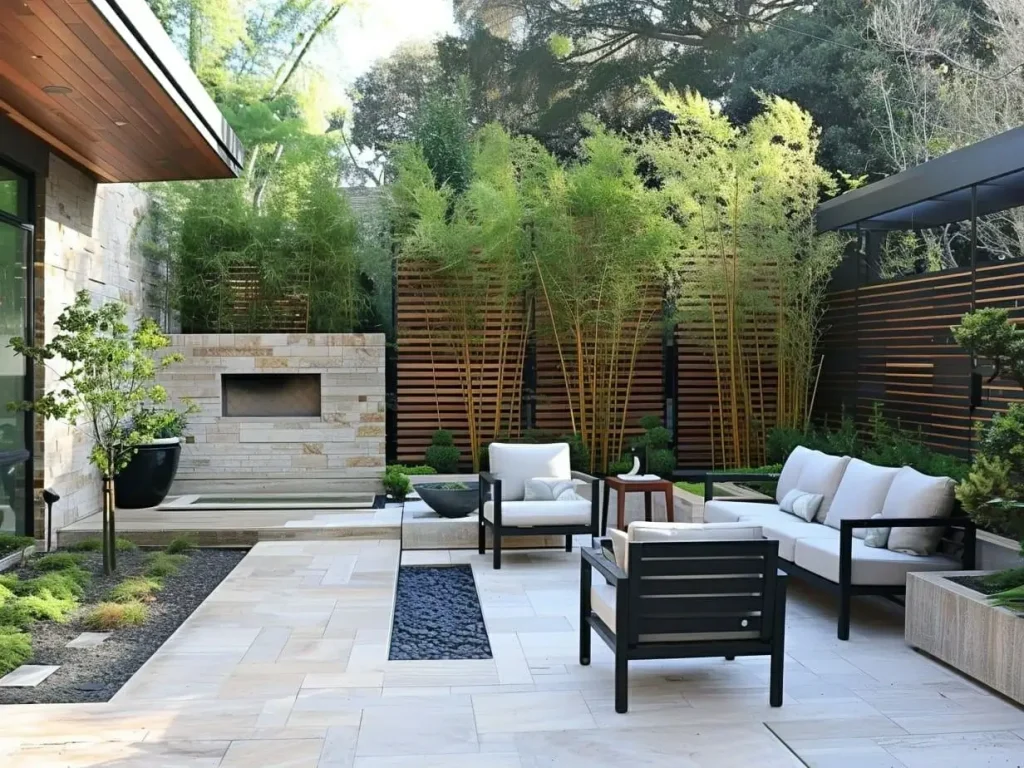
A garden seating area should include seating, a stable surface, shade, weather protection, privacy, lighting, and practical access. The exact combination depends on the size of the garden and the purpose of the space.
Seating is the core element. Chairs, benches, sofas, dining sets, modular seats, and built-in benches all create different experiences. A small private garden may only need a bench or two chairs. A larger outdoor dining space may need a full table set. A commercial garden seating area may require durable furniture that can handle frequent use.
A stable surface is also essential. Grass may look natural, but it is not always ideal for furniture. Chairs can sink, tables can wobble, and the area may become muddy after rain. Pavers, concrete, decking, tiles, or compact outdoor flooring can provide better support. For B2B projects, stable flooring also improves safety and presentation.
Shade is one of the most important features. Without shade, the seating area may be uncomfortable during hot weather. Shade can come from trees, pergolas, awnings, sunrooms, portable sunrooms, retractable pergolas, folding awnings, or aluminum awnings. Adjustable shade systems are especially useful because they allow users to respond to changing weather conditions.
Weather protection can extend the use of the seating area. A fully open space may only be comfortable in ideal weather. By adding a louvered pergola, enclosed outdoor dining area, sunroom, or awning, the space can become usable in more conditions.
Privacy should not be ignored. People are more likely to relax when they do not feel exposed. Privacy can be created through screens, plants, fencing, railings, side panels, curtains, or partial enclosure.
Lighting completes the space. Soft lighting helps the seating area remain useful in the evening. It also improves safety around steps, paths, and edges.
How Can A Pergola Improve A Garden Seating Area?
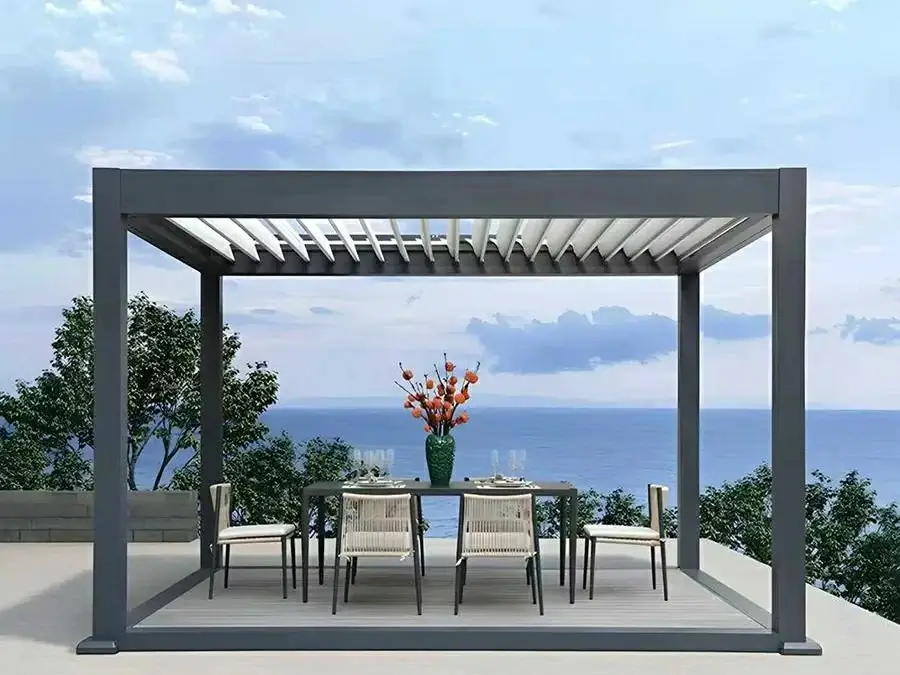
A pergola can improve a garden seating area by adding shade, structure, weather control, and a stronger sense of outdoor room. Without an overhead structure, a seating area may feel exposed or unfinished. A pergola helps define the space and makes it feel more intentional.
A motorized louvered pergola is especially useful because it offers adjustable control. The louvers can be opened to allow sunlight and airflow or closed to provide shade and rain protection. This flexibility is valuable in gardens where weather conditions change throughout the day.
For residential projects, a pergola can turn a plain patio into a more comfortable outdoor living area. It can support dining, lounging, entertaining, or family gatherings. For commercial projects, it can help create a more reliable outdoor seating zone for customers.
Retractable pergolas and folding awnings provide another type of flexibility. Some users want full sun during cooler weather and shade during hotter periods. A retractable system allows the space to adapt instead of remaining fixed.
Pergolas also create opportunities for additional features. Lighting, fans, side screens, outdoor curtains, drainage systems, and climbing plants can all be integrated into the design. These details make the garden seating area more comfortable and complete.
For B2B buyers, pergolas are also attractive because they solve a clear outdoor living problem. Customers want gardens, patios, and dining areas that can be used more often. A pergola provides a visible and practical solution.
Is An Enclosed Garden Seating Area A Good Idea?
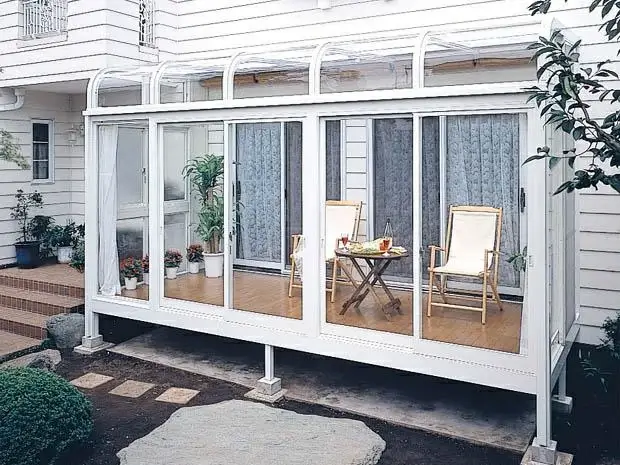
An enclosed garden seating area is a good idea when the outdoor space needs better protection, privacy, and year-round usability. It is especially useful in locations where sun, wind, rain, insects, dust, or changing weather often affect comfort.
For homeowners, an enclosed seating area can become a sunroom, outdoor dining room, garden lounge, or quiet relaxation space. It allows people to enjoy garden views while feeling more protected than they would in a fully open area.
Portable sunrooms can be useful when flexibility and practical installation are important. They can help create a sheltered outdoor zone without the same level of complexity as a major building extension. This makes them attractive for buyers who want more usable space with shorter lead times.
For restaurants, cafés, resorts, and hospitality venues, enclosed outdoor dining areas can help increase usable customer space. A well-protected outdoor area can remain functional in more weather conditions, improving customer comfort and business efficiency.
However, enclosure should be designed carefully. A garden seating area should not feel dark, cramped, or disconnected from the outdoors. Aluminum doors and windows, clear panels, sliding systems, and good ventilation can help maintain light, views, and airflow.
An enclosed garden seating area works best when it balances protection with openness. The goal is not to turn the garden into a fully indoor room. The goal is to make the outdoor space more comfortable, reliable, and valuable.
How Do You Make A Small Garden Seating Area Work?
A small garden seating area can work very well when the design is simple and space-efficient. The main challenge is avoiding overcrowding.
Start with the right furniture scale. A small bistro set, compact bench, slim table, foldable chairs, or corner seat may work better than a large outdoor sofa. Built-in seating can also save space because it follows the edge of the garden rather than occupying the center.
Keep pathways clear. People should be able to enter, sit, stand, and move comfortably. If the seating blocks the main path, the garden will feel smaller and less convenient.
Use vertical space. Wall planters, trellises, screens, hanging plants, and climbing greenery can add atmosphere without using too much floor area. Railings and slim aluminum screens can also define the seating zone while keeping the design clean.
Choose shade carefully. In a small garden, a large structure may overwhelm the space. A compact awning, folding awning, small retractable pergola, or portable sunroom may provide better balance.
Keep the material palette simple. Too many colors, textures, and decorative items can make a small garden feel busy. Consistent flooring, furniture, and structure finishes can make the area feel larger and more organized.
A small garden seating area does not need to be complicated. It only needs to be comfortable, accessible, and suited to the way the space is used.
How Do You Create A Low-Maintenance Garden Seating Area?
A low-maintenance garden seating area depends on durable materials, simple design, easy cleaning, and practical weather protection. The less complicated the space is, the easier it is to manage over time.
Choose outdoor materials that can handle weather exposure. Aluminum structures are commonly used in outdoor applications because they are durable, lightweight, and suitable for modern exterior design. Aluminum awnings, railings, doors, windows, and pergola systems can help create a clean and practical seating environment.
Use surfaces that are easy to clean. Smooth pavers, concrete, tiles, and composite decking are often easier to maintain than unstable gravel or bare soil. For commercial projects, easy cleaning is especially important because the area may be used every day.
Avoid too many loose items. Cushions, rugs, decorations, and small planters can improve comfort, but too many accessories can make the area harder to clean and protect. Storage boxes or enclosed areas can help keep the seating zone tidy.
Weather protection also reduces maintenance. Pergolas, awnings, sunrooms, and enclosed outdoor dining structures can help protect furniture and flooring from strong sun and rain. This can reduce fading, dirt buildup, and frequent cleaning.
Planting should be manageable. Low-maintenance plants, raised beds, vertical greenery, and simple borders can provide a pleasant garden feeling without creating constant upkeep.
For B2B buyers, low-maintenance design is a strong selling point. Customers want outdoor spaces that look good, perform well, and do not become a burden after installation.
Why Choose Ezysunroom For Garden Seating Area Projects?
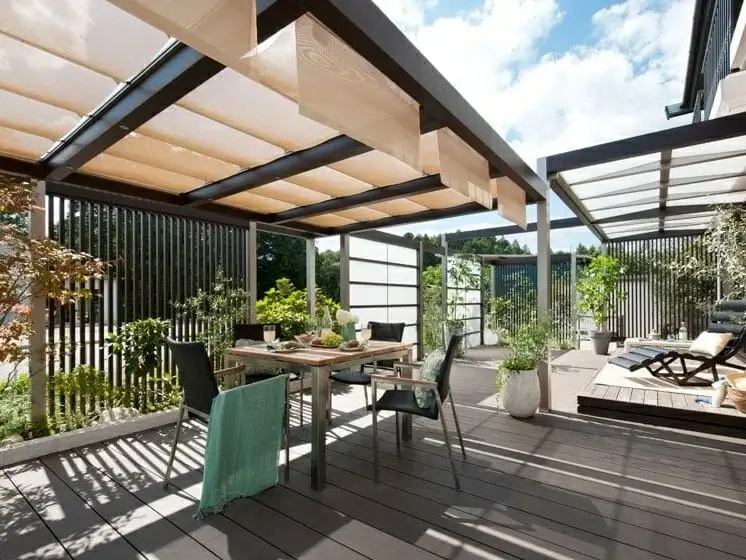
Ezysunroom provides outdoor living products that help transform garden seating areas into more comfortable and usable spaces. The product range includes sunrooms and portable sunrooms, motorized louvered pergolas, enclosed outdoor dining areas, aluminum doors and windows, carports and awnings, retractable pergolas and folding awnings, railings, and aluminum awnings.
For B2B buyers, product supply is not only about design. It is also about price, stock, lead time, and project reliability. Ezysunroom offers factory prices, ample stock, and short lead times, which can help distributors, builders, contractors, and project buyers manage outdoor living projects more efficiently.
Garden seating area projects often require flexible solutions. Some clients need shade. Some need rain protection. Some want enclosed outdoor dining space. Some want a portable sunroom. Others need aluminum doors, windows, railings, or awnings to complete the project. A broad product range allows buyers to match different project requirements more easily.
Whether the project is a residential garden, commercial patio, restaurant outdoor dining space, resort seating area, or builder supply program, the core goal is the same: create outdoor spaces that people can use comfortably and repeatedly.
Ezysunroom supports that goal by offering practical outdoor living structures designed for comfort, protection, and usability.
Conclusion
A garden seating area is more than a few chairs placed outdoors. It is a functional outdoor living zone that should be planned around comfort, access, shade, privacy, weather protection, and long-term maintenance. When designed well, it can turn a simple garden, patio, or outdoor corner into a valuable space for relaxing, dining, entertaining, or commercial use.
The best garden seating area starts with a clear purpose. Dining areas need stable flooring and easy access. Lounge areas need comfort and atmosphere. Small gardens need space-saving layouts. Commercial spaces need durable, weather-protected solutions. Pergolas, awnings, sunrooms, enclosed outdoor dining areas, aluminum doors and windows, railings, and other outdoor structures can all improve usability.
For B2B buyers, Ezysunroom offers practical outdoor living products with factory prices, ample stock, and short lead times. These advantages can help support residential, commercial, and hospitality garden seating area projects more efficiently.
If you are planning a garden seating area project or looking for reliable outdoor living product supply, you can contact Ezysunroom at admin@ezysunroom.com.au. Share your project needs, ask questions, or leave a comment to discuss which garden seating solution is most suitable for your market.