

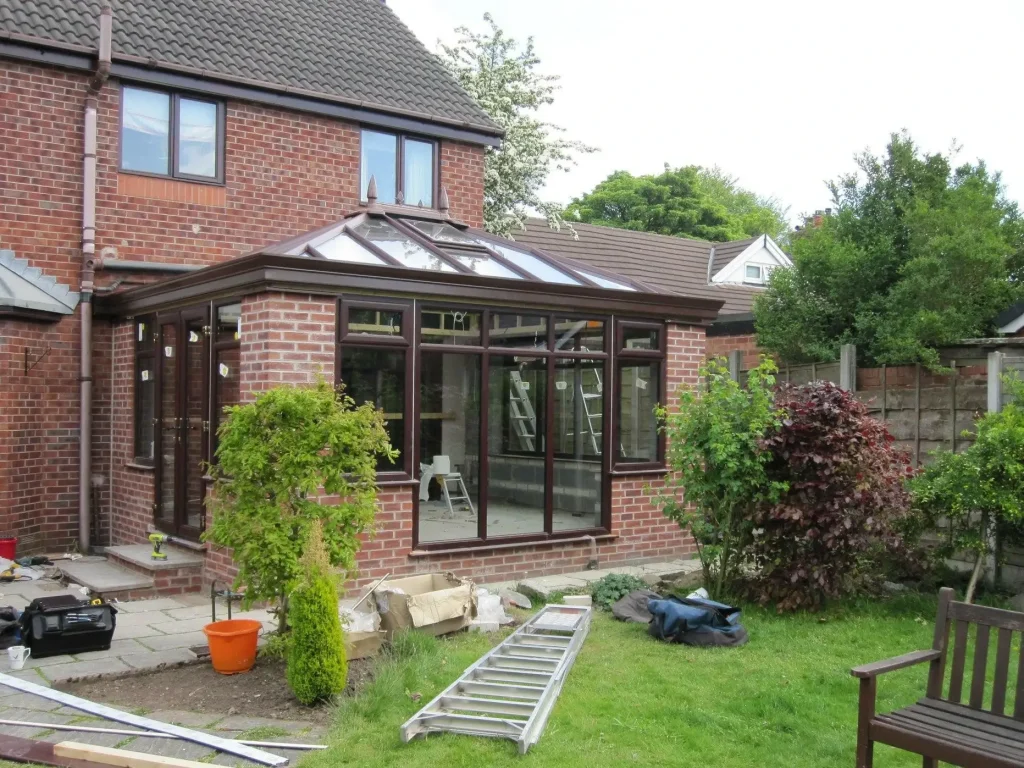
Many homeowners want extra living space but hesitate because conservatory construction often seems expensive, complicated, and heavily dependent on contractors. Delaying the project can mean losing valuable outdoor usability and property value opportunities. Fortunately, modern modular aluminum conservatories and prefabricated sunroom systems now make DIY conservatory building far more achievable, affordable, and efficient than traditional construction methods.
Yes, you can build a conservatory yourself if you choose the right modular system, prepare the foundation properly, and understand local building requirements. Modern aluminum conservatories, portable sunrooms, and prefabricated pergola systems simplify installation while reducing labor costs, construction time, and maintenance compared to traditional conservatory structures.
Now let’s explore what makes a DIY conservatory successful, which materials work best, and how modern modular systems simplify the entire installation process.
What Is The Easiest Type Of Conservatory To Build Yourself?
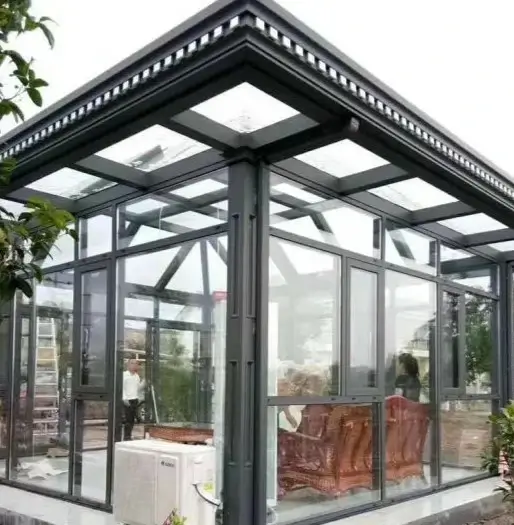
The easiest conservatories to build are usually modular aluminum conservatories or prefabricated sunrooms. Unlike traditional brick-and-glass conservatories that require extensive onsite construction, modular systems are designed for faster assembly and simplified installation.
Many modern DIY conservatory systems arrive with:
- Pre-cut aluminum frames
- Pre-engineered connectors
- Integrated drainage systems
- Standardized glass panels
- Simplified roofing structures
This significantly reduces installation difficulty for homeowners and contractors alike.
Portable sunrooms and modular pergola-style conservatories are especially popular because they reduce heavy masonry work while still creating functional enclosed outdoor spaces.
Aluminum has become the preferred material because it combines:
- High strength
- Corrosion resistance
- Lightweight handling
- Low maintenance
- Modern aesthetics
- Long-term durability
Compared with timber conservatories, aluminum systems also avoid many long-term maintenance concerns such as warping, moisture damage, and repainting.
For many B2B buyers and distributors, modular conservatories are attractive because they shorten project timelines and improve installation efficiency.
How Much Does It Cost To Build A Conservatory Yourself?
DIY conservatory costs vary depending on structure size, glazing type, roofing system, and site conditions. However, self-building can reduce labor expenses significantly compared with fully contractor-built conservatories.
Typical cost categories include:
| Cost Item | Impact On Budget |
|---|---|
| Foundation preparation | High |
| Aluminum frame system | High |
| Glass or polycarbonate roofing | Medium to High |
| Doors and windows | Medium |
| Drainage and sealing | Medium |
| Electrical installation | Optional |
| Heating and ventilation | Optional |
A modular aluminum conservatory can often reduce construction complexity because much of the engineering is completed during manufacturing.
However, many DIY builders underestimate hidden costs such as:
- Site leveling
- Foundation curing
- Delivery logistics
- Glass installation equipment
- Local permit fees
- Thermal insulation upgrades
Budget planning should always include a contingency reserve for unexpected adjustments.
Do You Need Planning Permission For A Conservatory?
In many countries, smaller conservatories may fall under permitted development rules, but regulations vary depending on location and project size.
Planning requirements often depend on:
- Conservatory dimensions
- Roof height
- Distance from neighboring properties
- Property type
- Heritage restrictions
- Attached versus detached structures
Even if planning permission is not required, building regulations may still apply for:
- Structural safety
- Thermal performance
- Electrical systems
- Drainage
- Fire safety glazing
Ignoring regulations can lead to costly corrections later, especially when selling or refinancing a property.
Before starting construction, homeowners should always confirm local building requirements.
What Is The Best Material For A DIY Conservatory?
Material selection strongly affects conservatory durability, insulation, maintenance, and installation complexity.
Aluminum Conservatories
Aluminum is one of the most practical choices for modern DIY conservatories because it offers excellent structural performance with relatively low maintenance.
Advantages include:
- Rust resistance
- Slim modern profile
- Long lifespan
- Strong support for large glass panels
- Lightweight construction
- Easier modular fabrication
Modern thermal-break aluminum systems also improve energy efficiency for year-round use.
uPVC Conservatories
uPVC remains popular because of its lower initial cost, but it may not offer the same structural strength or premium appearance as aluminum.
Potential disadvantages include:
- Reduced rigidity
- Visible aging over time
- Less suitable for large-span structures
Timber Conservatories
Timber conservatories provide a traditional appearance but generally require more maintenance and weather protection.
Common maintenance concerns include:
- Moisture damage
- Rot
- Repainting
- Expansion and contraction
For most modern DIY conservatory projects, aluminum systems provide the best balance between aesthetics, durability, and installation practicality.
How Long Does It Take To Build A Conservatory Yourself?
Construction time depends heavily on project preparation and structural complexity.
Traditional conservatories often require weeks of construction due to masonry work and custom fabrication. In contrast, modular conservatory systems simplify installation considerably.
Typical project stages include:
| Construction Stage | Estimated Time |
|---|---|
| Site preparation | Several days |
| Foundation work | 1–2 weeks |
| Frame assembly | 1–3 days |
| Roof installation | 1–2 days |
| Glass fitting | 1–2 days |
| Finishing work | Several days |
Weather conditions can also affect timelines significantly.
One major advantage of prefabricated conservatories is reduced onsite fabrication. Since many components are pre-engineered, installation becomes more predictable and manageable.
For B2B contractors, shorter installation cycles improve labor efficiency and project turnover rates.
What Foundation Is Needed For A Conservatory?
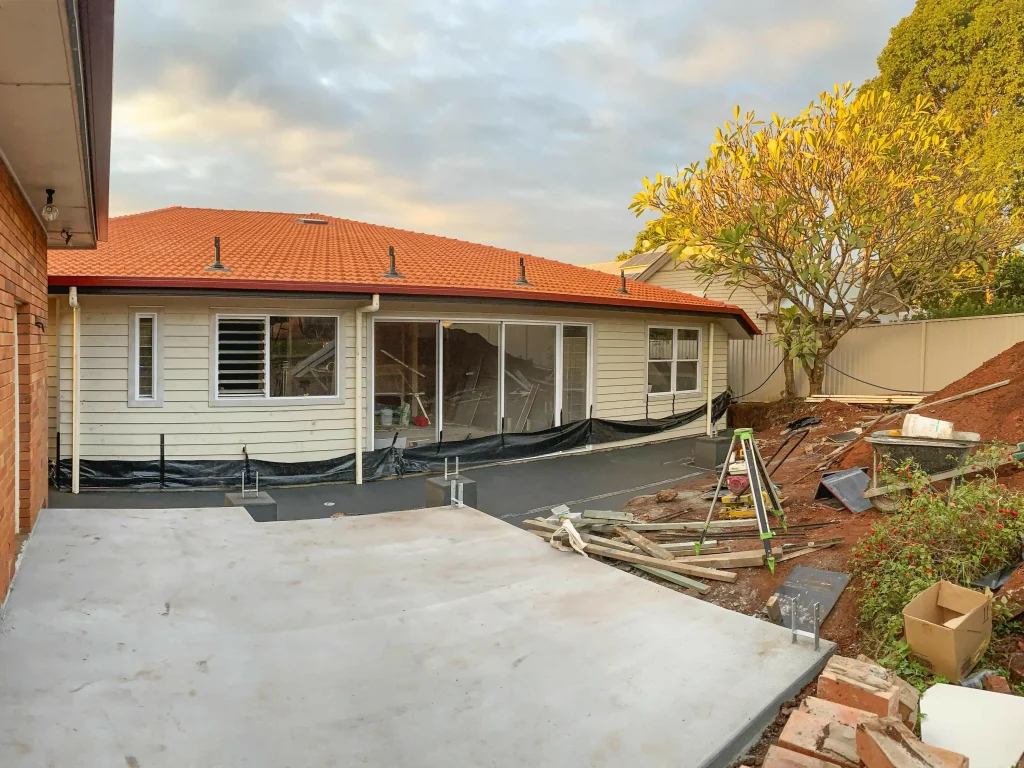
A stable foundation is essential for long-term structural performance.
Foundation requirements depend on:
- Soil condition
- Conservatory size
- Structural weight
- Climate conditions
- Drainage performance
Concrete Slab Foundations
Concrete slabs are commonly used for modular conservatories because they provide even load distribution and simplified installation.
Strip Foundations
Strip foundations are more common for heavier conservatories involving masonry walls.
Adjustable Support Systems
Some portable sunrooms and lightweight structures use adjustable support bases to simplify leveling and installation.
Poor foundation preparation is one of the leading causes of:
- Structural movement
- Glass stress cracks
- Water leakage
- Door misalignment
- Roof drainage issues
Even in DIY projects, professional advice for foundation preparation can prevent expensive long-term problems.
Is A Glass Roof Or Solid Roof Better?
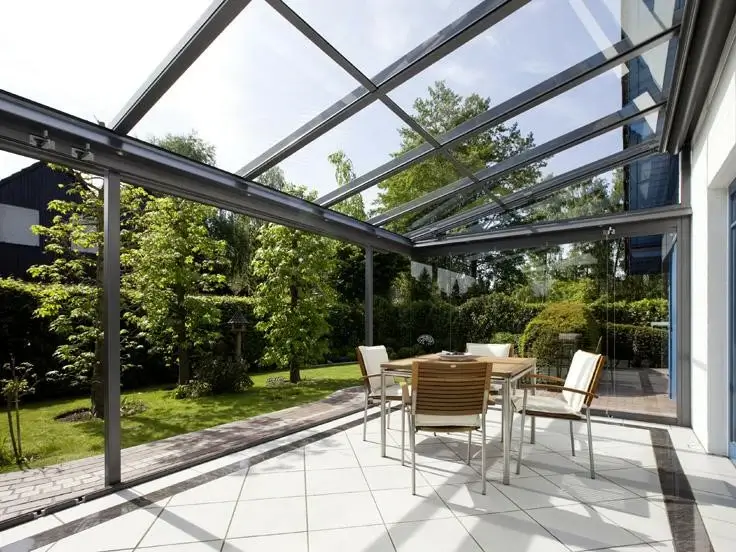
Roof selection changes both comfort and appearance.
Glass Roof Conservatories
Glass roofs maximize natural light and create a stronger visual connection with outdoor surroundings.
Advantages include:
- Bright interior spaces
- Modern appearance
- Better outdoor visibility
- Spacious feeling
However, they may also increase:
- Summer heat gain
- Winter heat loss
- Glare
- Cleaning requirements
Solid Roof Conservatories
Solid roofs improve insulation and year-round comfort.
Advantages include:
- Better thermal efficiency
- Reduced glare
- Improved weather protection
- Lower noise levels
The tradeoff is reduced natural light.
Hybrid Roof Systems
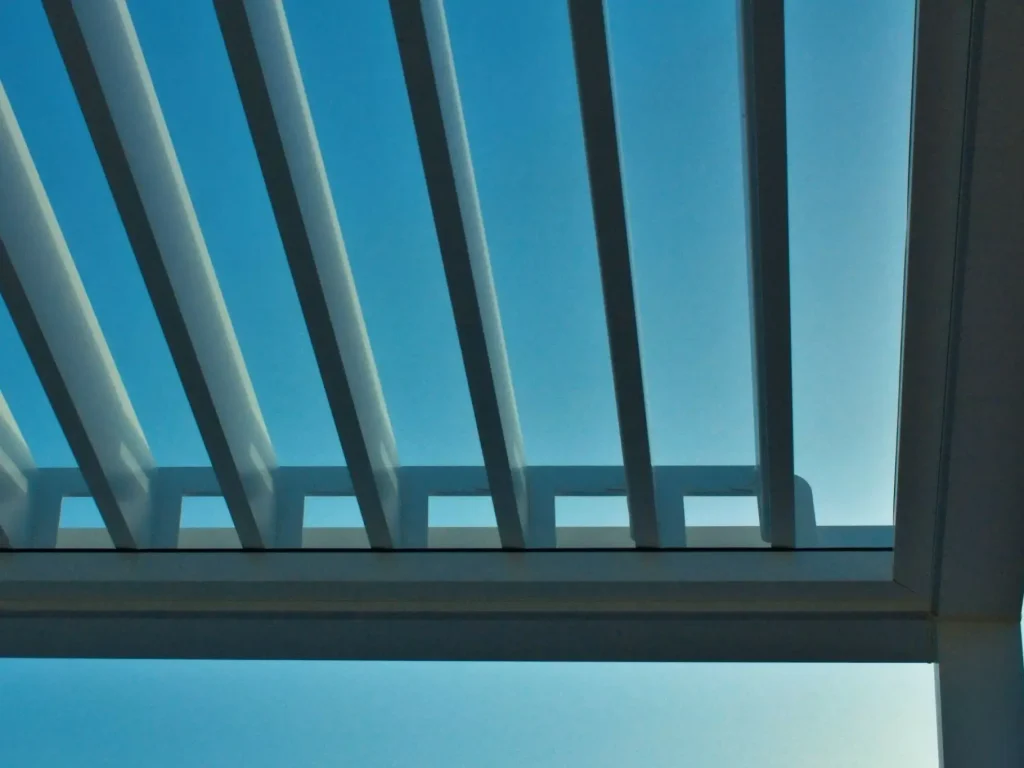
Many modern conservatories now combine insulated roof panels with skylights or motorized louver systems.
These hybrid systems help balance:
- Ventilation
- Natural lighting
- Energy efficiency
- Seasonal comfort
Motorized louvered pergolas are increasingly popular because they allow flexible sunlight and airflow control.
Can A Conservatory Be Used All Year Round?
Yes, but year-round usability depends heavily on design quality and thermal performance.
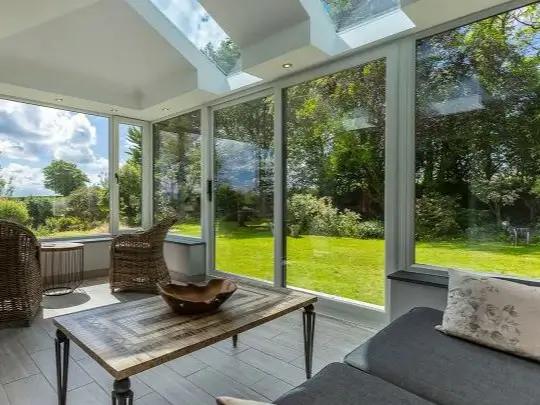
A modern all-season conservatory typically includes:
- Double or triple glazing
- Thermal-break aluminum profiles
- Insulated roofing
- Proper weather sealing
- Ventilation systems
- Solar shading solutions
Without proper insulation and airflow control, conservatories can become uncomfortable during extreme temperatures.
Many homeowners now choose enclosed outdoor living systems because they allow:
- Dining space expansion
- Flexible entertaining areas
- Home office usage
- Seasonal outdoor enjoyment
Modern modular systems improve comfort while reducing construction complexity.
What Are The Biggest DIY Conservatory Mistakes?
Many conservatory problems are caused not by the materials themselves, but by poor planning and installation shortcuts.
Incorrect Measurements
Even small dimensional errors can create:
- Roof misalignment
- Glass fitting issues
- Poor sealing performance
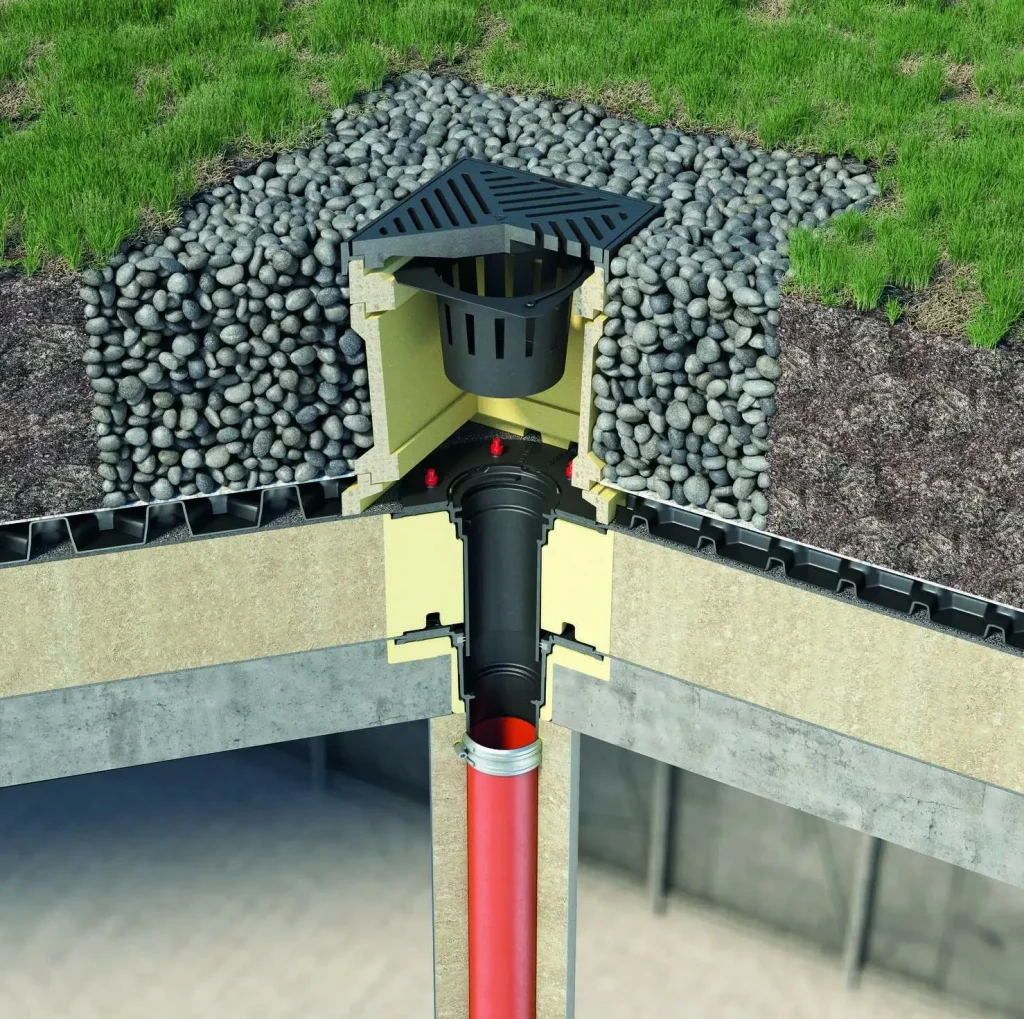
Weak Drainage Planning
Improper drainage often leads to:
- Water accumulation
- Foundation damage
- Interior leakage
Ignoring Thermal Performance
Many conservatories become unusable because insulation and ventilation were overlooked.
Using Low-Quality Components
Cheap hardware can lead to:
- Corrosion
- Poor sliding performance
- Seal failures
- Structural instability
Underestimating Structural Movement
Aluminum expands and contracts with temperature changes. Proper installation spacing is essential.
Planning carefully before installation usually saves far more money than correcting mistakes afterward.
Why Modular Conservatories Are Becoming More Popular?
The global outdoor living market is rapidly shifting toward modular and prefabricated systems because they simplify both logistics and installation.
Modern modular conservatories provide several advantages:
- Faster project completion
- Easier transportation
- Lower labor dependency
- More consistent quality
- Predictable installation processes
For contractors and distributors, this improves project scalability and operational efficiency.
For homeowners, modular systems reduce construction disruption while making DIY installation more realistic.
As outdoor living demand continues growing worldwide, modular aluminum conservatories, retractable pergolas, enclosed dining structures, and portable sunrooms are becoming increasingly important in both residential and commercial markets.
How Ezysunroom Supports Conservatory Projects?
Ezysunroom specializes in B2B outdoor living solutions including:
- Sunrooms
- Portable sunrooms
- Motorized louvered pergolas
- Enclosed outdoor dining areas
- Aluminum doors and windows
- Carports and awnings
- Retractable pergolas
- Folding awnings
- Railings and aluminum awnings
For contractors, distributors, wholesalers, and project buyers, reliable supply chains are increasingly important. Ezysunroom focuses on:
- Factory-direct pricing
- Ample stock availability
- Short lead times
- Stable product supply
- Modular aluminum systems
These advantages help simplify project planning while improving installation efficiency for commercial and residential outdoor structure projects.
For project consultation, product specifications, or factory pricing, buyers can contact Ezysunroom via admin@ezysunroom.com.au.
Conclusion
Building a conservatory yourself is far more practical today than it was in the past, especially with the availability of modular aluminum systems and prefabricated outdoor structures. Success depends on choosing suitable materials, preparing a stable foundation, understanding local regulations, and planning carefully before installation begins.
Modern conservatories are no longer limited to traditional glass extensions. Portable sunrooms, motorized pergolas, enclosed outdoor dining spaces, and modular aluminum structures now provide more flexible solutions for homeowners and B2B buyers alike.
As outdoor living spaces continue growing in popularity, modular conservatory systems offer a practical balance between aesthetics, functionality, durability, and installation efficiency.
If you are considering a DIY conservatory project or sourcing modular outdoor structure solutions for distribution or commercial applications, understanding the installation logic and structural requirements early can help avoid costly mistakes later.
If you found this article helpful, feel free to share it with your industry partners or discuss your conservatory project ideas and installation experiences in the comments.